Two models, a visible tradeoff
Fast remains the default. High detail retained the camera strap, portrait clothing and curly-hair subject more completely in this five-photo visual review. It also requires a much larger download and more memory. Both failed to make the glass interior transparent. These observations concern these photos only; no ground-truth mask, accuracy score or universal winner is claimed.
| Option | Model and input | Exact download | License |
|---|---|---|---|
| Fast | U2netp, 320 × 320 | 4,574,861 bytes (4.57 MB) | Apache-2.0 |
| High detail | BiRefNet-lite 512, 512 × 512 | 191,877,254 bytes (191.88 MB) | MIT |
High detail uses Studio Ludens’ 512-pixel fp32 ONNX export of BiRefNet-lite, not the 1024-pixel export previously screened. RGB values are divided by 255 and normalized with the export’s ImageNet mean and standard deviation. The output logits receive sigmoid before becoming alpha. Fast keeps its own max-channel preprocessing and min/max mask normalization. Both masks are resized to the original photo dimensions. Their pinned hashes are checked before use.
Same input. Unrefined output.
Playwright opened the production app, selected each 800 × 760 pixel source, chose the model, ran background removal and downloaded the actual PNG. The images below are lossless WebP encodings of those downloads. A tinted background makes missing or retained regions easier to compare. Nothing was painted back in. All five source photos use the Pexels License; credits are listed here.
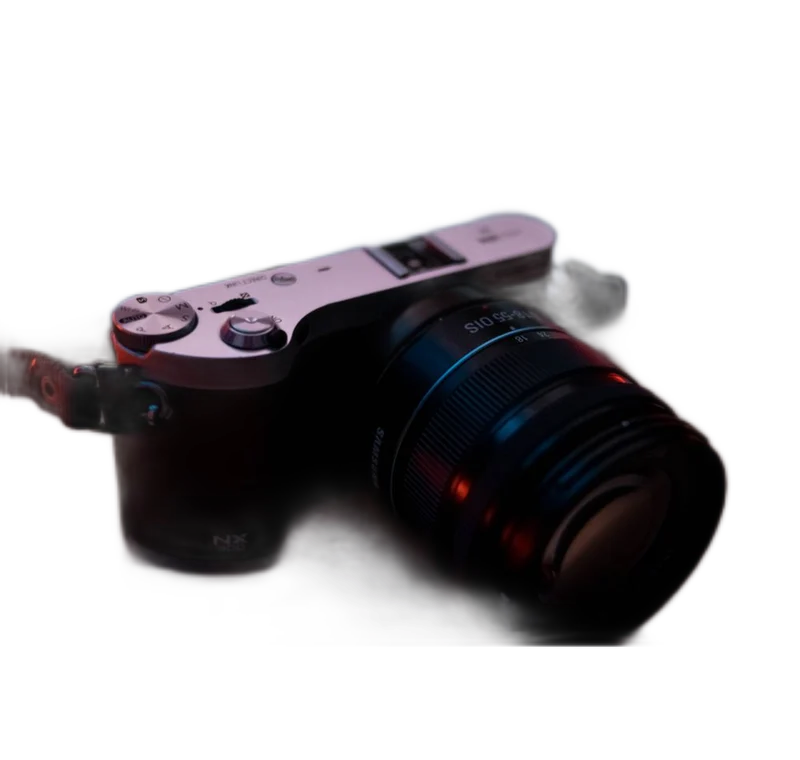
Product: camera and strap
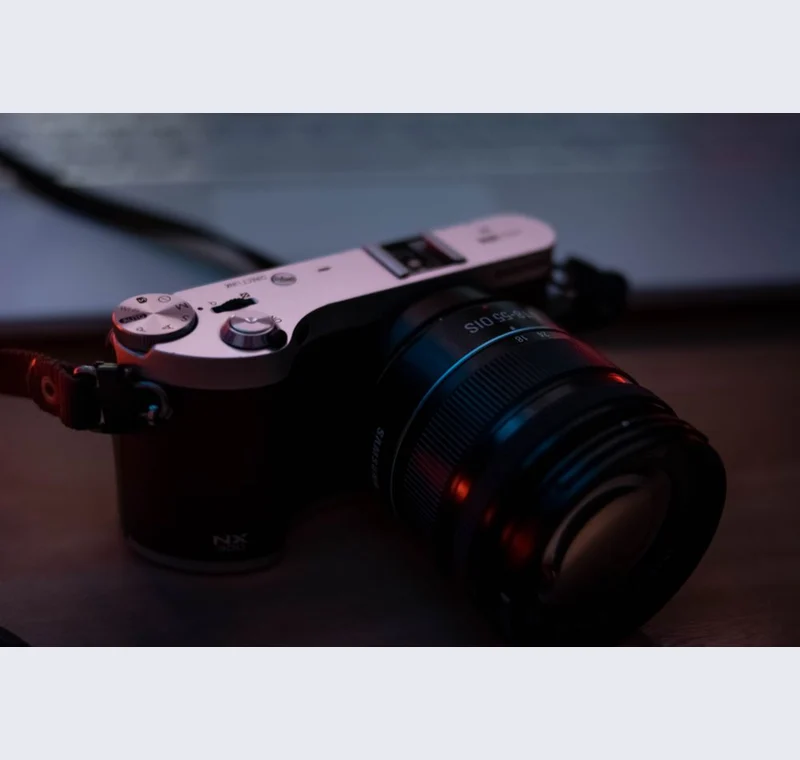
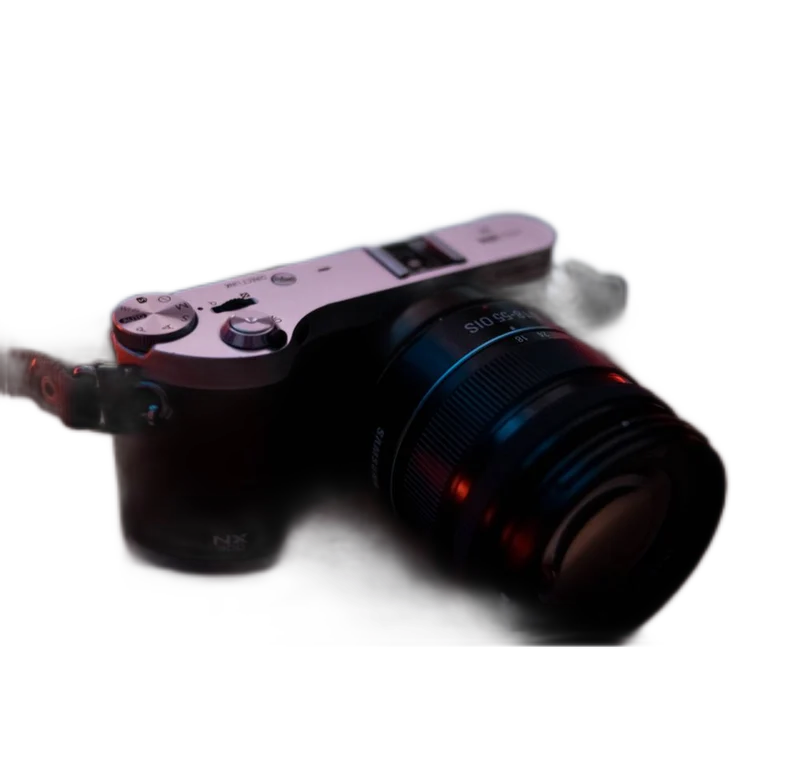
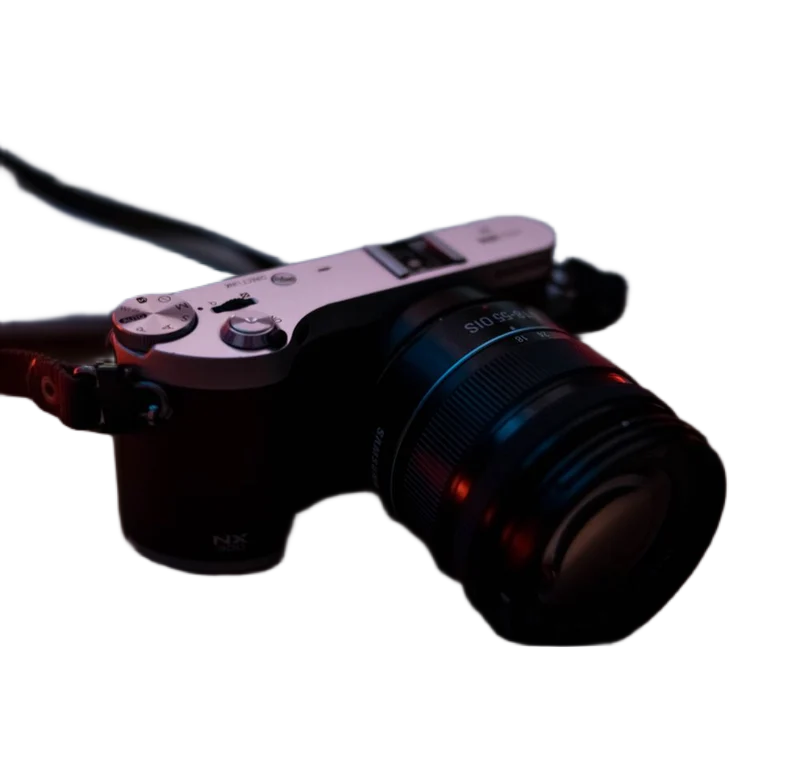
Fast: The lower camera edge is soft, the strap fades, and a background fragment remains near the top right.
High detail: The strap and lower outline are cleaner. The strap is already clipped in the source; the model cannot recover what was outside the photo.
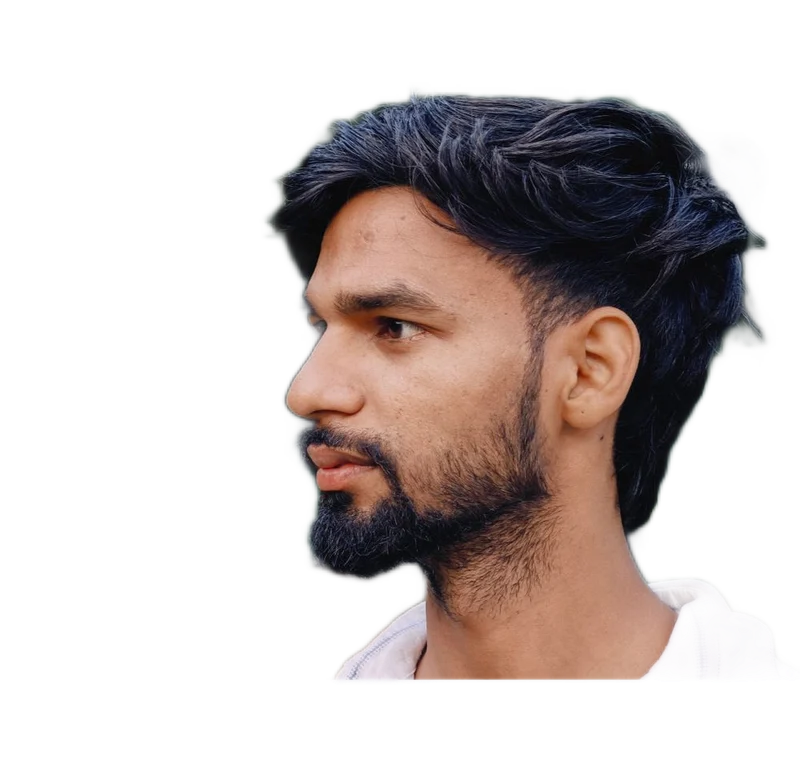
Person: face, hair and shirt
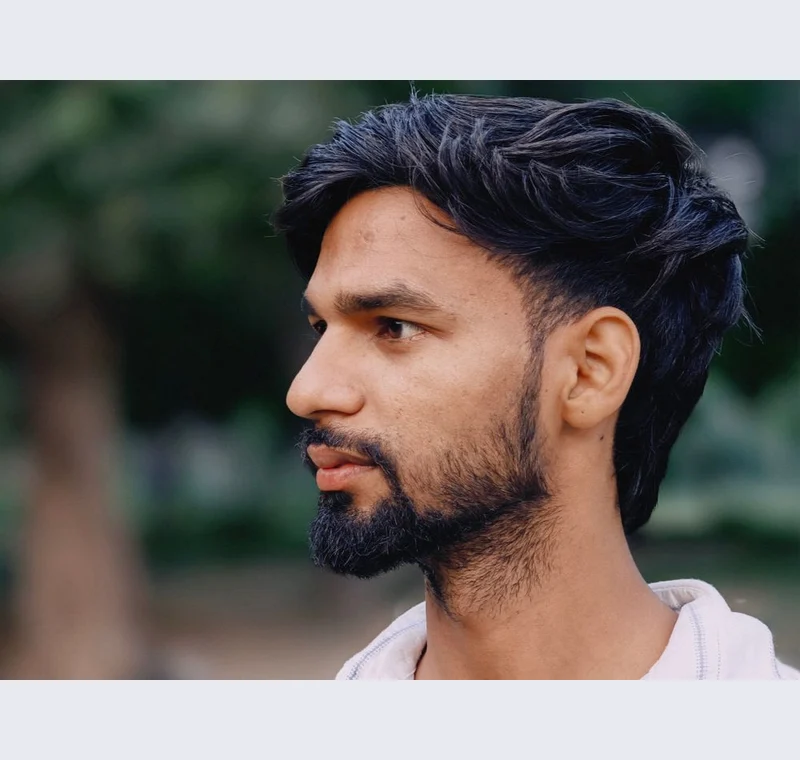
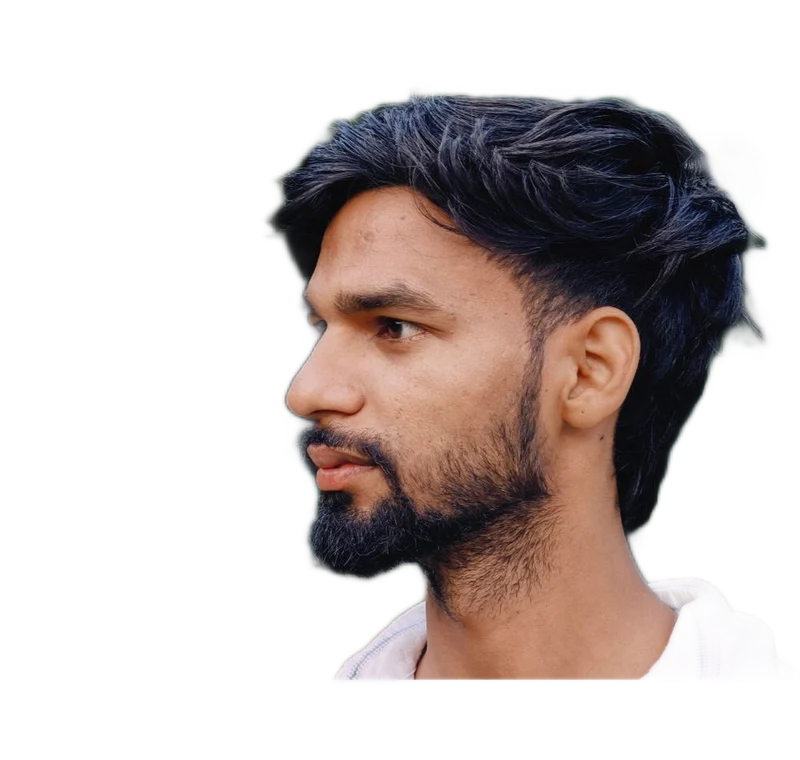
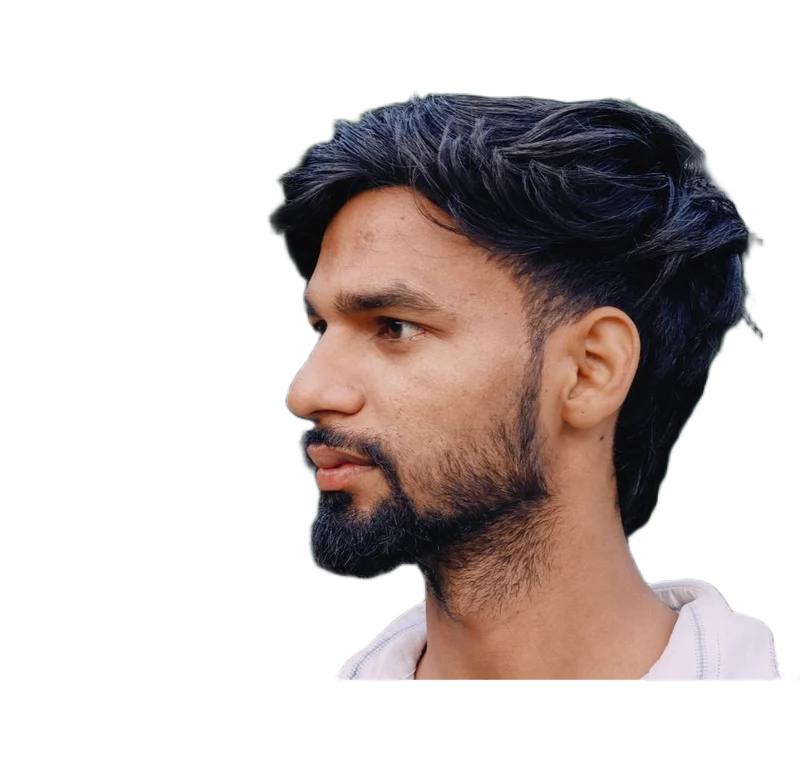
Fast: The broad face and hair silhouette separates, but the light shirt fades into transparency near the right shoulder.
High detail: The shirt and shoulder stay more complete. Check individual hair strands and the clipped edge of the original crop.
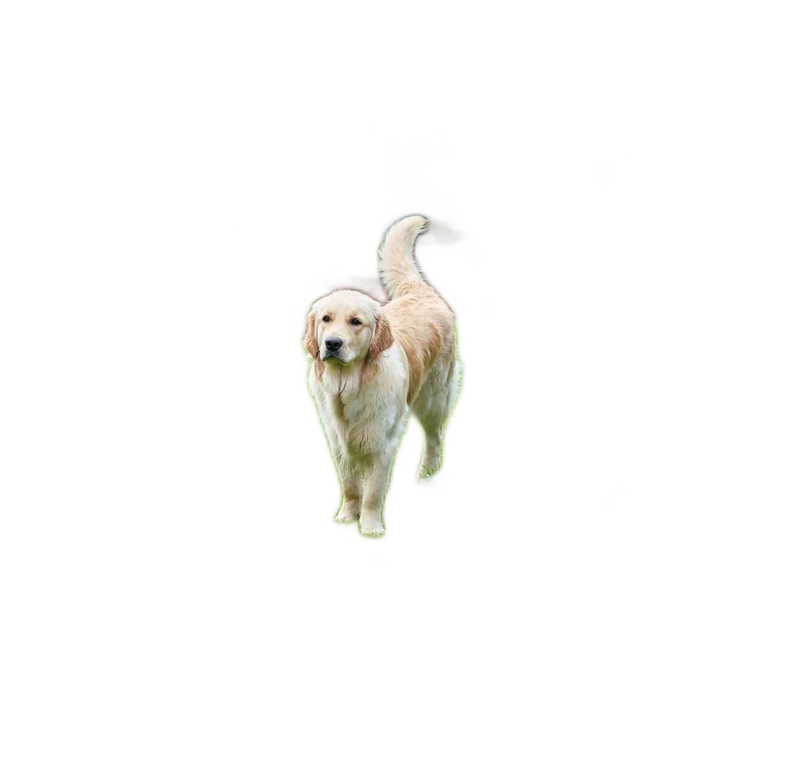
Pet: fur against grass
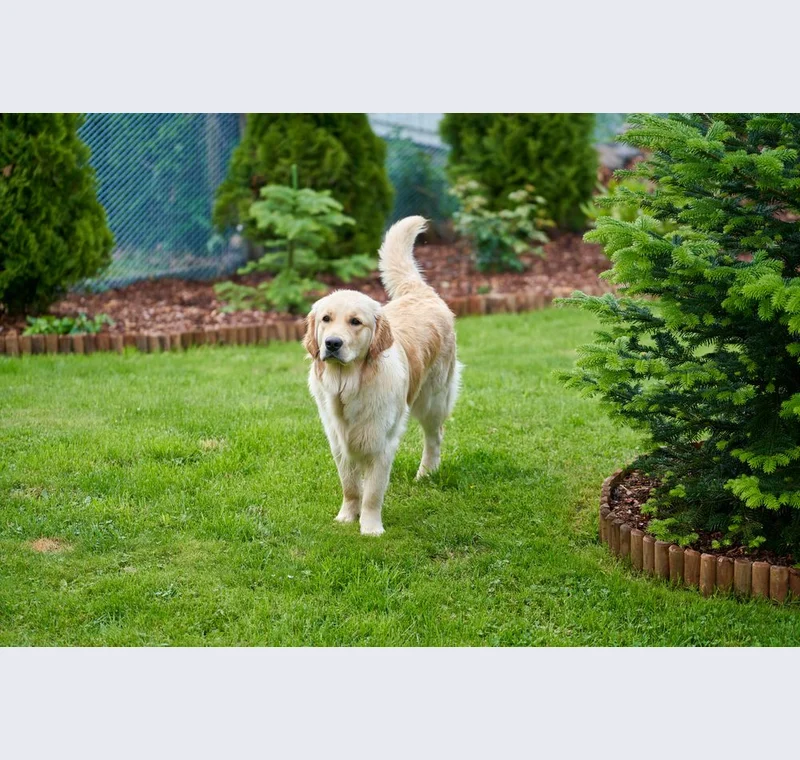
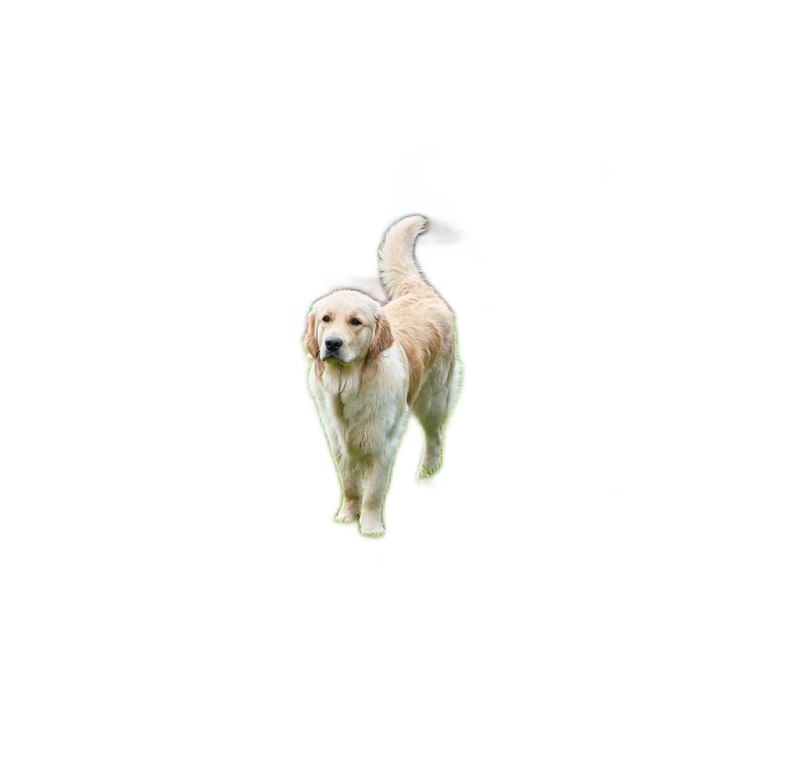
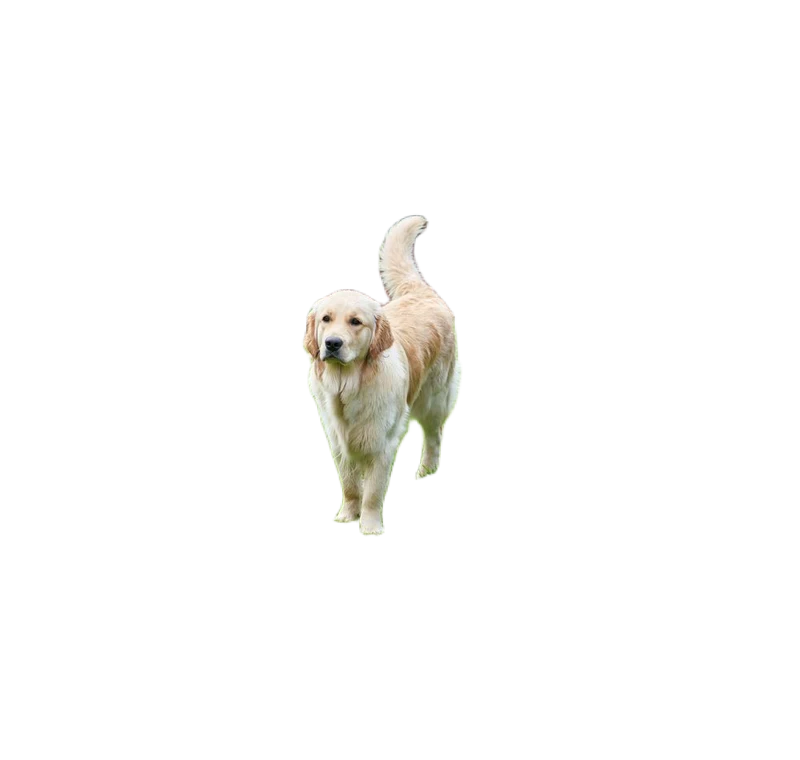
Fast: The dog separates from the grass, but the narrow legs and fur remain soft at this small source scale.
High detail: The dog separates with a more defined outline. This distant subject still has limited source detail; fine fur is not fully resolved.
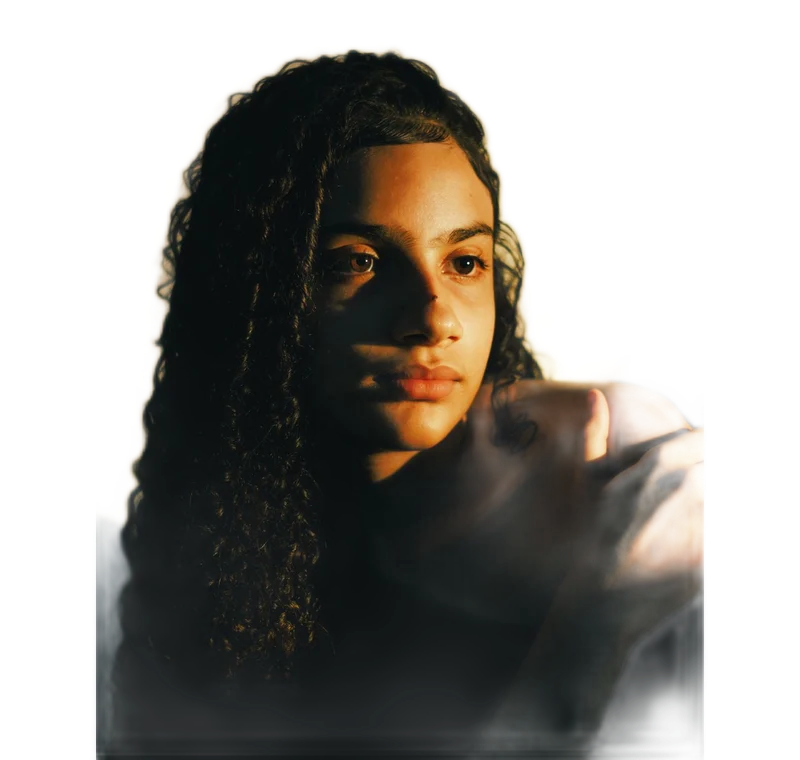
Curly hair: fine boundaries

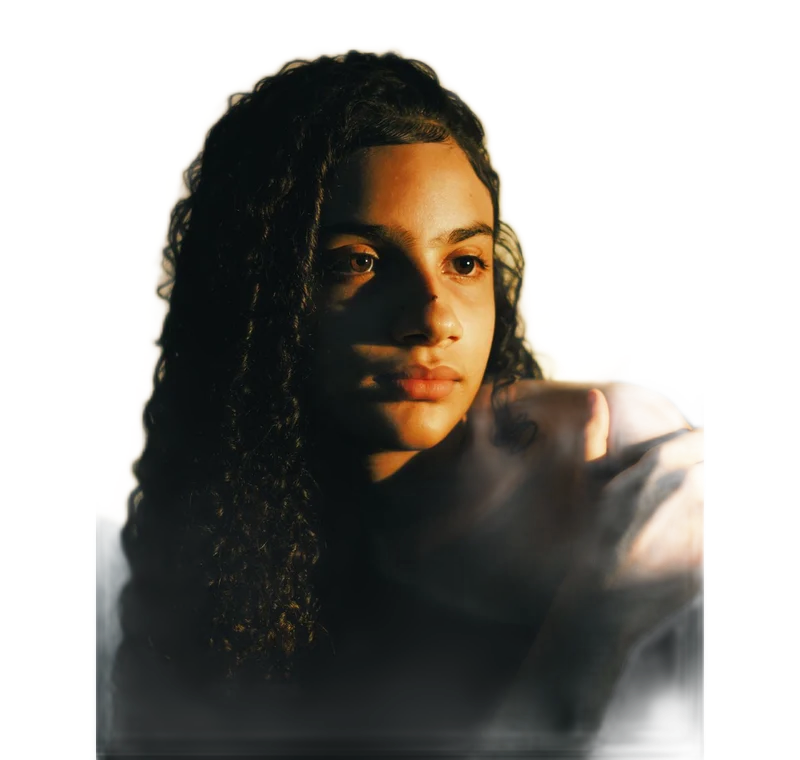
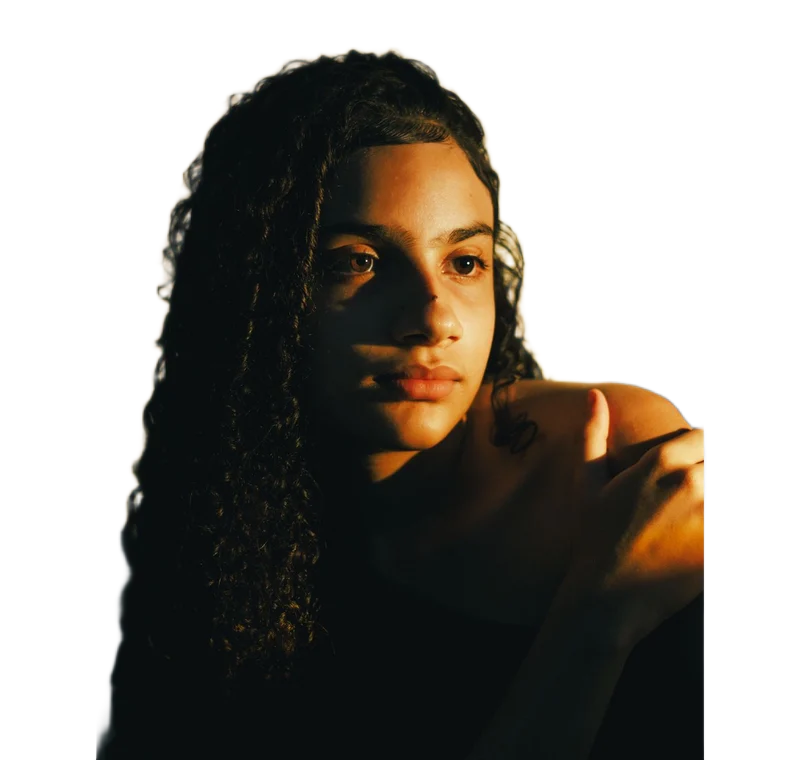
Fast: Parts of the dark clothing and shoulder fade. The edge loses small curls and retains pale fringes.
High detail: The clothing, hand and broad curls are better retained in this example. Some fine strands are still lost; a 512-pixel mask is not strand-perfect matting.
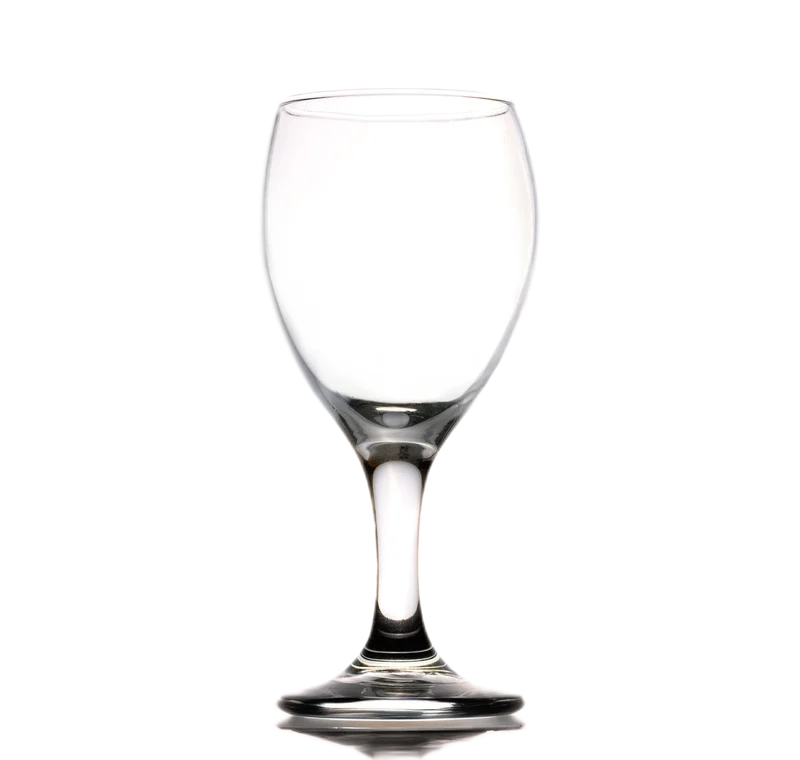
Glass: the shared failure
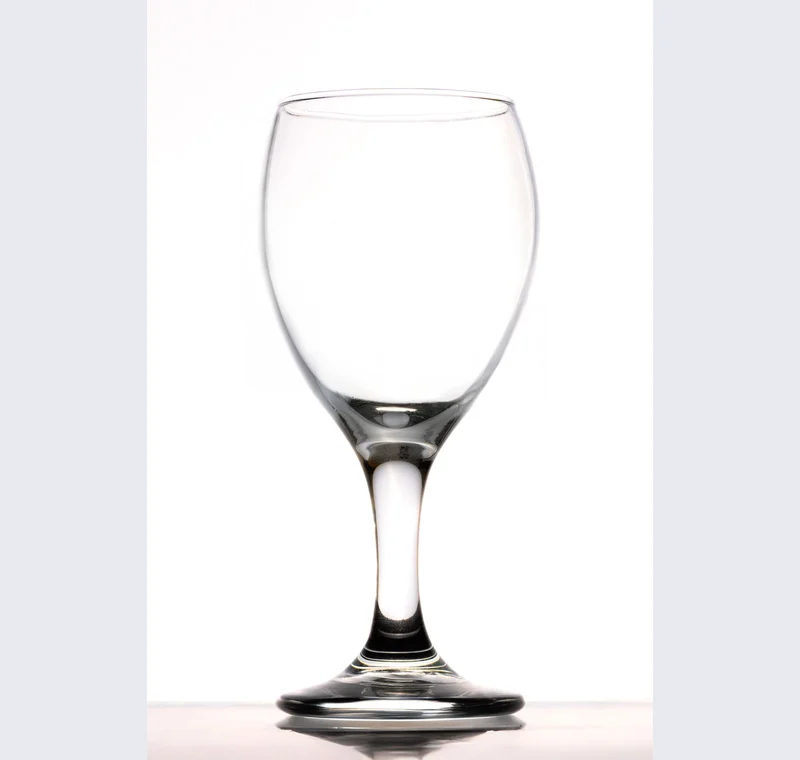
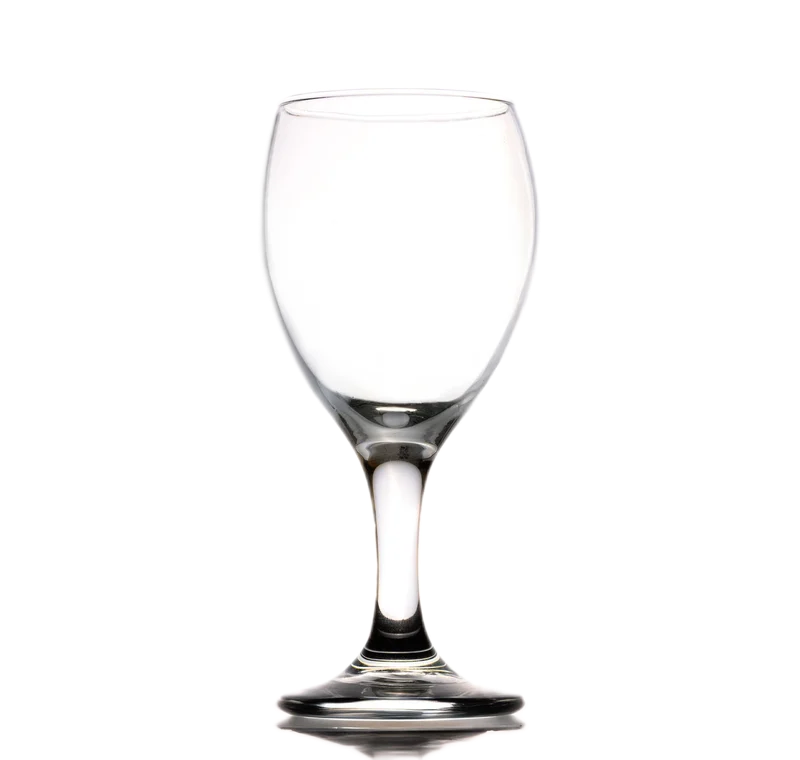
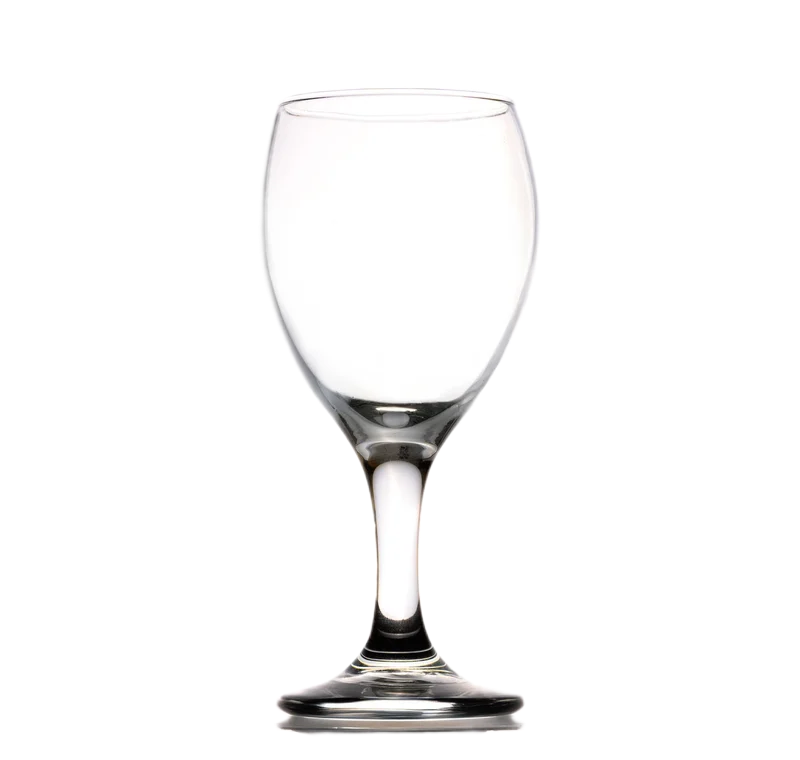
Fast: The bowl remains white and opaque. Background near the base can remain in the cutout.
High detail: The outer contour and base are cleaner, but the bowl still contains the white source background. Neither output reconstructs transparency or refraction.
Observed runtime, with scope
The comparison ran in Chromium 143.0.7499.4 on a shared Mac. WebGPU was attempted, but these runs completed on the WASM fallback. The first image for each model includes download and session setup in total time; later images reuse that session. Inference time measures the model run, not download, export or visual review. These are local observations, not a promise for another device. A separate cold hardware probe successfully ran High detail on an Apple Metal WebGPU adapter in 69.87 seconds of inference under heavier shared-machine load. That establishes the GPU path, not a fair CPU/GPU speed comparison. Fast stays the default because a consistently reasonable High detail GPU runtime was not established.
| Photo | Model | Backend | Inference | Total removal |
|---|---|---|---|---|
| product (first run) | Fast | WASM | 1.18 s | 7.43 s |
| person | Fast | WASM | 1.05 s | 1.12 s |
| pet | Fast | WASM | 2.95 s | 3.02 s |
| hair | Fast | WASM | 1.40 s | 1.46 s |
| glass | Fast | WASM | 1.32 s | 1.39 s |
| product (first run) | High detail | WASM | 16.53 s | 43.28 s |
| person | High detail | WASM | 16.82 s | 16.89 s |
| pet | High detail | WASM | 14.06 s | 14.13 s |
| hair | High detail | WASM | 10.68 s | 10.75 s |
| glass | High detail | WASM | 9.60 s | 9.68 s |
High detail needs more working memory than its weight-file size. Devices with limited memory may fail below the image workspace cap. Choose Fast or cancel processing if the larger model is unsuitable. The same verified fp32 graph is used for either backend, so a GPU failure does not trigger a second model download. Switching models starts a fresh worker to isolate runtime state after a GPU failure. Image bytes are never sent with these requests.
Sources & method
Last checked: . Official rules can change. Calculated presets are identified separately.
- u2netp ONNX model card. edgetools / Hugging Face. Checked 2026-10-29.
- BiRefNet-lite 512 ONNX export, license and model file metadata. Studio Ludens / Hugging Face. Checked 2026-10-30.
- Actual production app model comparison, October 30, 2026. Backdropless. Checked 2026-10-30.
Original Fast evaluation, October 29, 2026
This first-build record is retained below. BiRefNet-lite was screened by size at that time; the October 30 comparison above adds the tested 512-pixel export.
Why this model shipped in the first build
The pinned U2netp ONNX file is 4,574,861 bytes. Its small download is practical for an editor that runs locally. The model uses Apache-2.0 terms, and the app verifies the pinned weight hash before inference. It attempts WebGPU and falls back to WASM when necessary.
We screened BiRefNet-lite as an alternative by its published license and download size. The hosted fp16 graph is listed at 115 MB and the fp32 graph at 224 MB. We did not run a comparative quality trial, so this page does not claim that U2netp is more accurate. The decision favors a small initial download and usable starting masks with manual refinement.
| Candidate | Evidence used | Outcome |
|---|---|---|
| U2netp | Apache-2.0; pinned bytes; actual app outputs below | Shipped |
| BiRefNet-lite | MIT; published hosted file sizes | Size screening only, no local quality comparison |
| MODNet | Portrait matting paper | Not evaluated or shipped; narrower portrait scope |
How the examples were made
Licensed Pexels photos were resized into the committed example images. An automated browser opened the production app, selected each source, clicked background removal, waited for completion and downloaded its transparent PNG. The output was encoded as lossless WebP for these pages. No replacement mask was painted to improve the displayed result.
The test checked that exports could be decoded and contained both transparent and opaque pixels. That verifies a real image-processing path, not segmentation accuracy. The visual observations below come from reviewing the actual exported images. There is no benchmark score, user-satisfaction percentage or claimed success rate.
Product
Person
Pet
Fine hair
Glass
Where to be cautious
The model predicts a mask from a 320 × 320 input. The app resizes that mask to the original dimensions, preserving the output canvas size while leaving the mask’s detail limited by the prediction. Thin wires, fuzzy edges, multiple competing subjects and transparent materials can fail in different ways.
Glass is a particularly clear limit. An opaque subject cutout can preserve the old scene inside the object. Putting that result over a new background does not reconstruct transmission or refraction. Retake the photo on the intended backdrop or use a specialist matting workflow when those details matter.
Sources & method
Last checked: . Official rules can change. Calculated presets are identified separately.
- U2-Net: Going Deeper with Nested U-Structure. Xuebin Qin et al.. Checked 2026-10-29.
- u2netp ONNX model card. edgetools / Hugging Face. Checked 2026-10-29.
- BiRefNet-lite ONNX files. ONNX Community / Hugging Face. Checked 2026-10-29.
- Is a Green Screen Really Necessary for Real-Time Portrait Matting?. Zhanghan Ke et al.. Checked 2026-10-29.
- Published tool specifications. Backdropless. Checked 2026-10-29.